

Welcome to the Wild World of Natural Wellness
Welcome to the wild world of natural wellness. If you have spent any time looking into holistic health lately, you have definitely heard of Mānuka honey.
It has been called the “liquid gold of natural wellness,” and for good reason. It has been a prized staple in Chinese and Japanese markets for a very long time, and recently, the United States has gone absolutely crazy for it, too.
But when you start researching your first purchase, you quickly hit a roadblock: the price tag. True, high-grade Manuka honey can cost hundreds of times more than the standard liquid sugar sitting in a plastic bear at your local supermarket.
This brings us to the big question: is it actually worth all that money, and how do you know you are getting the real thing?
So What Actually Is Manuka Honey?
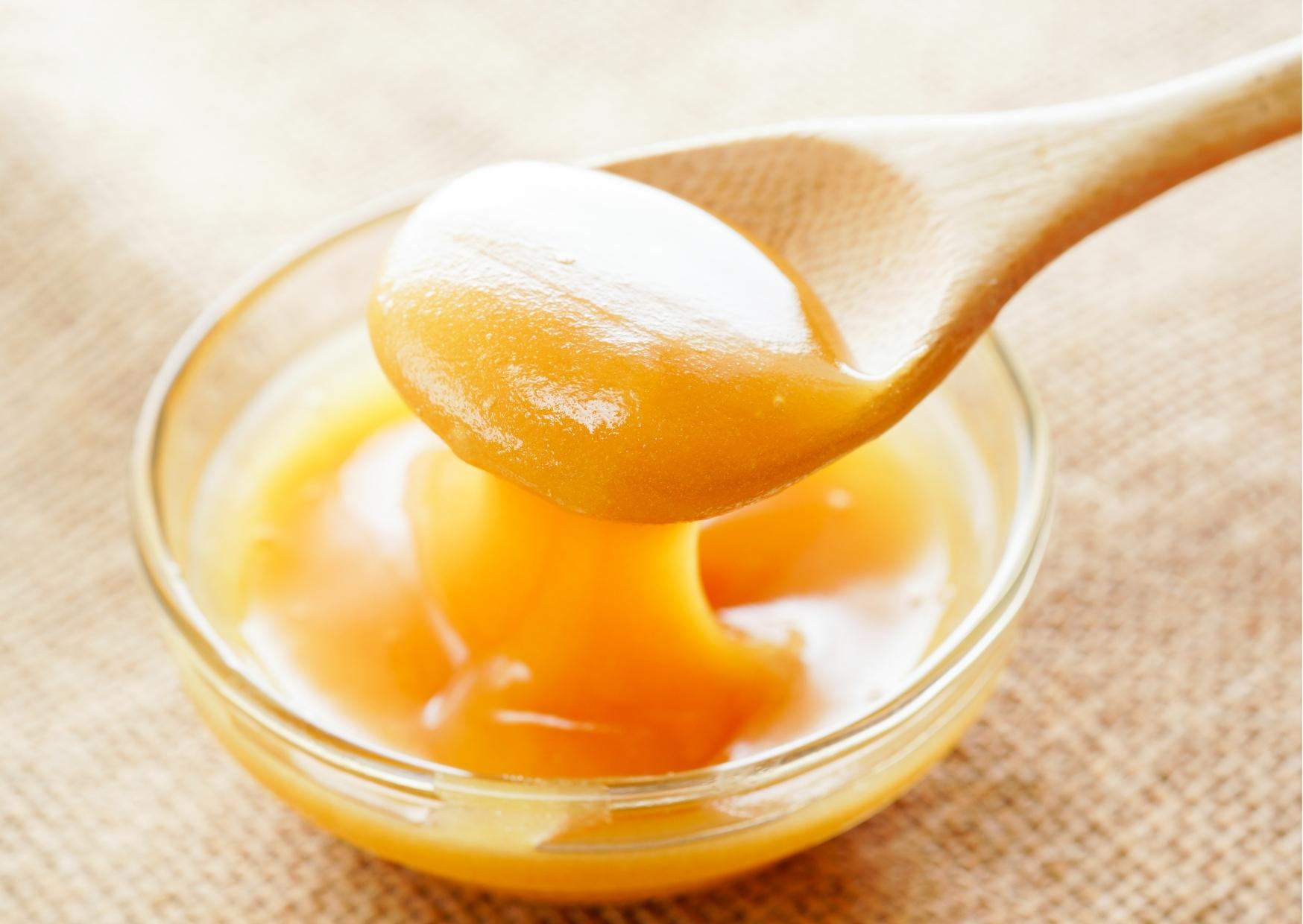
Unlike ordinary honey, Mānuka honey is produced from nectar collected from New Zealand’s native mānuka bush (Leptospermum scoparium). What made it world-famous is that it naturally contains unusually high levels of compounds like MGO (methylglyoxal), which are associated with its unique antibacterial properties.
That is why people around the world use genuine New Zealand Mānuka honey not just as a sweetener, but also as part of their daily wellness routines for things like soothing throats, skincare support, and general wellbeing.
Not all Mānuka honey is created equal, though — which is exactly why certifications, origin, and authenticity matter so much.
The 20,000-Ton Global Scandal: Are You Getting the Real “Liquid Gold”?
Here is a statistic that will make you double-check your kitchen cabinet. New Zealand produces roughly 10,000 tons of authentic Manuka honey each year. Yet, globally, an estimated 20,000 tons of honey labelled as Manuka are sold on store shelves annually.
Let us do some quick math: that means about half of the Manuka honey floating around the world could be cut with cheap table honey or stretched out with sugar syrup.
Because genuine Manuka honey is such a serious, high-value business, it has even attracted a bit of a criminal element. Believe it or not, the New Zealand police regularly receive official reports of entire beehives and massive honey barrels being stolen in the dead of night. It is a literal sweet-toothed crime wave.
Do not worry, though. This guide is going to give you the exact insider knowledge you need to separate the real deal from the copycats before you part with your hard-earned cash.
Why Genuine New Zealand Manuka Honey Commands a Luxury Price
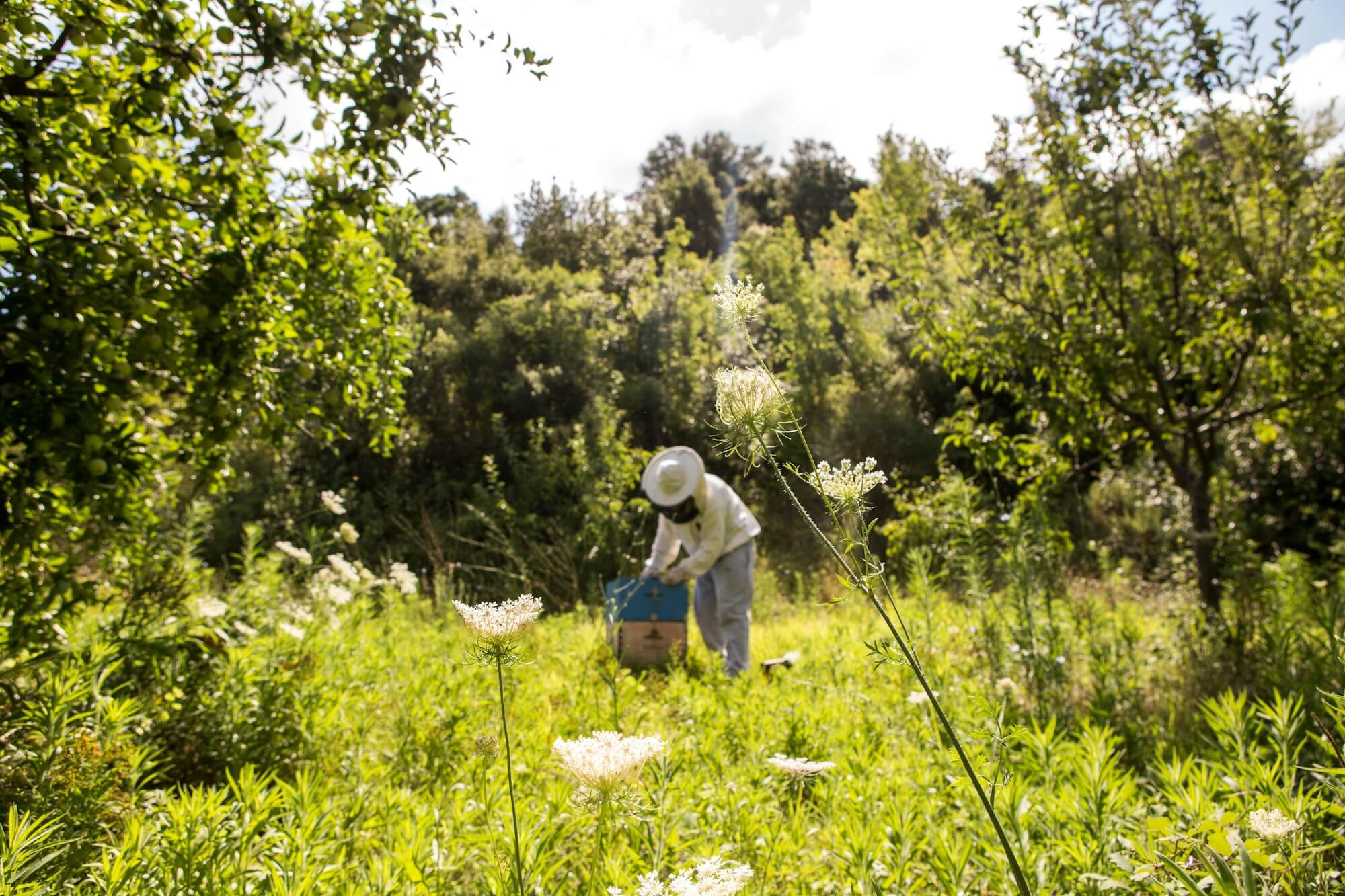
To understand the cost, you have to look at Mother Nature's incredibly tight schedule. The Manuka bush only flowers for a tiny window of two to six weeks out of the entire year. If it rains too much during those few weeks, the harvest is severely impacted.
To make things even more dramatic, these wild bushes thrive in some of the most remote, rugged, and untouched wilderness areas of New Zealand. The terrain is often so inaccessible that beekeepers literally have to be helicoptered into the bushlands just to place and harvest the hives. Talk about a dramatic morning commute!
When you have to fly a chopper into a remote valley just to harvest a jar of wellness support, the premium price tag starts to make a lot of sense. The good news is that if you buy certified honey from a trusted source, you can rest assured that you are getting the real deal.
The New Zealand Advantage: Why True Origin Protects Your Purchase
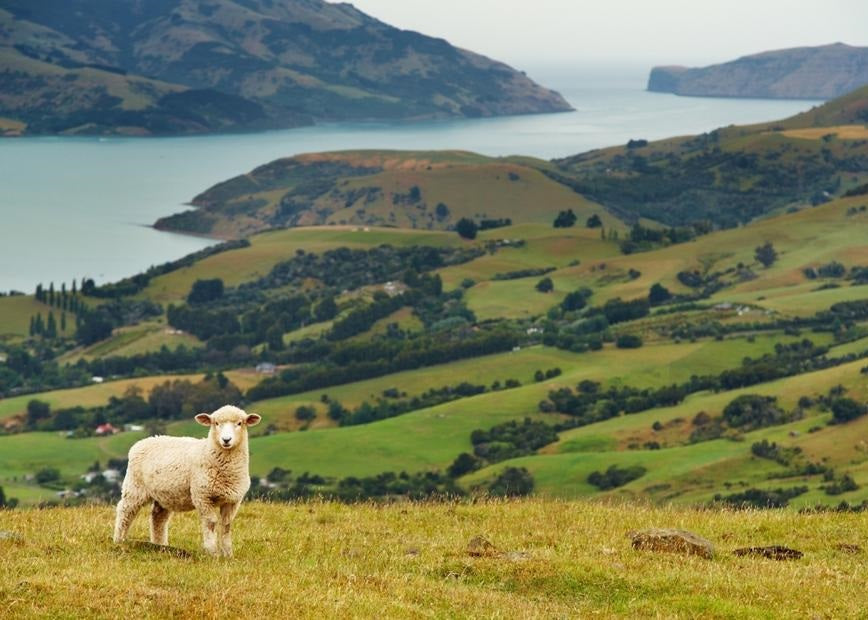
Why are New Zealand brands so fundamentally trustworthy when it comes to honey authenticity? It comes down to our incredibly strict, zero-tolerance biosecurity laws.
New Zealand strictly prohibits the import of any foreign honey products into the country. This means a local New Zealand producer cannot buy cheap, low-grade honey from overseas to dilute their stock. If it says it was packaged in New Zealand, the honey inside came from New Zealand bees.
To add another layer of security, almost every premium New Zealand brand includes a batch-tracking code or a QR code right on the jar. This allows you to jump online and trace your specific batch directly back to the clean, green region where it was harvested.
New Zealand Mānuka vs. Australian Manuka
You may occasionally come across Australian “manuka” honey products on the market. While both originate from plants within the Leptospermum family, New Zealand Mānuka honey has developed its own globally recognised grading systems, export standards, and certification infrastructure over decades.
Flavour, texture, colour, and consistency can vary significantly between brands and regions depending on floral source, processing style, and creaming techniques. That is why certifications like UMF, trusted sourcing, and transparent traceability are often far more reliable indicators of quality than texture alone.
Manuka or Mānuka with a Macron?
Let us take a quick detour to address something customers ask all the time.
The word Mānuka is an indigenous Māori name, which means it should technically include a macron over the “a” to indicate pronunciation.
You might notice that not all authentic New Zealand brands print the macron on their global labels, usually due to international printing setups or packaging constraints. Do not panic if it is missing: as long as the label verifies that the product was made and packed right here in New Zealand, you can trust its authenticity completely.
Decoding the Labels: UMF vs MGO
Let us demystify the acronyms because looking at a jar can feel like reading a high school chemistry exam.
Think of MGO as one important measurement inside a bigger quality system. UMF certification includes MGO testing, but it also verifies additional markers related to authenticity, freshness, and natural signature compounds found in genuine New Zealand Mānuka honey.
That means UMF certification does not just measure strength — it also helps confirm the honey is authentic and properly tested throughout production.
In other words:
- MGO tells you strength
- UMF tells you strength + authenticity + quality assurance
Why UMF certification matters
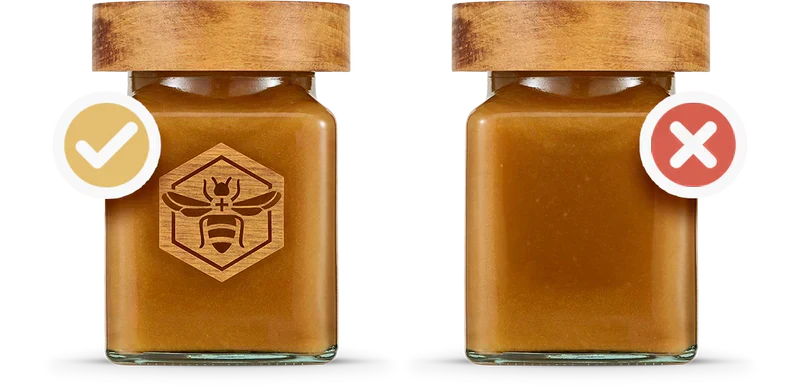
UMF is an independent certification system that can only be carried out under strict controlled conditions in New Zealand. This means the honey is tested, verified, and sealed before export.
If bulk honey is shipped overseas and packaged elsewhere, it cannot be UMF certified.
This system helps protect consumers from tampering, dilution, or mislabelling.
The Hidden Value of Halal Certification in Luxury Honey
Take a premium brand like Manuka South, for example. As of May 2026, a portion of their range is Halal certified, with full certification underway.
While this may seem specific at first, it actually signals something much broader: extremely strict supply chain auditing and ingredient transparency.
Beyond scientific testing and grading systems, some premium honey brands also pursue additional third-party certifications to strengthen trust and traceability.
For Kosher consumers: It offers excellent peace of mind due to significant overlaps with Kosher clean-processing standards.
For ingredient-conscious consumers: It acts as a guarantee that no hidden animal-derived processing agents are introduced during production.
For health-conscious buyers: It serves as a strong indicator of clean facilities and high-quality control standards.
Raw Manuka vs. Commercial Processing: What Are You Losing to Heat?
Let us pull back the curtain on how honey is actually made. The vast majority of mainstream, mass-market commercial honey is flash-heated to high temperatures around 66 degrees Celsius, or 150 degrees Fahrenheit, during production.
Producers do this for three practical reasons: it destroys yeast spores that can cause fermentation, it melts natural crystals so the honey takes on a uniform consistency during the creaming process, and it makes the honey thin enough to pour quickly into jars on a massive assembly line.
Unfortunately, subjecting Manuka honey to those high temperatures damages its delicate live enzymes, subtle aromas, and original flavour profile.
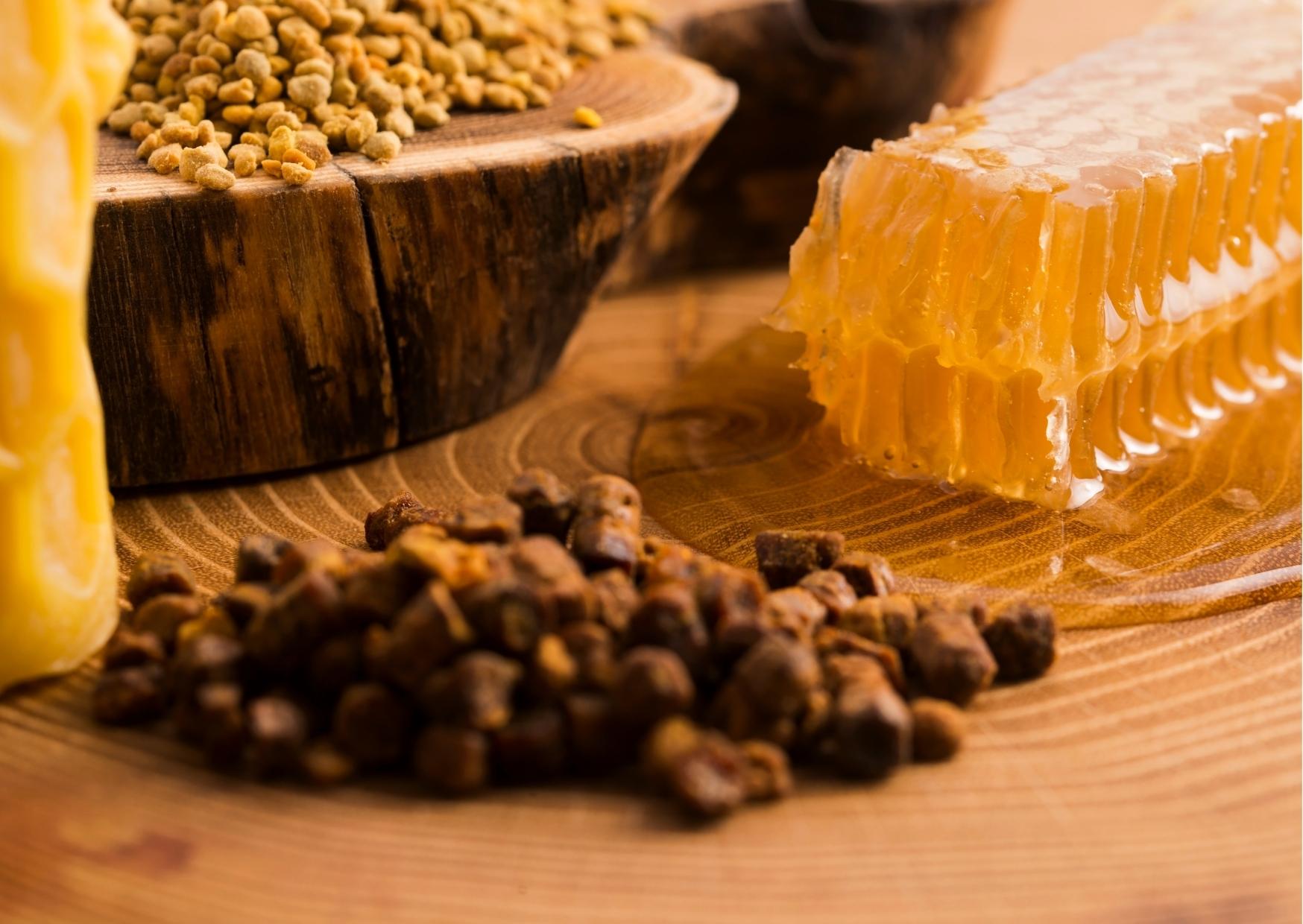
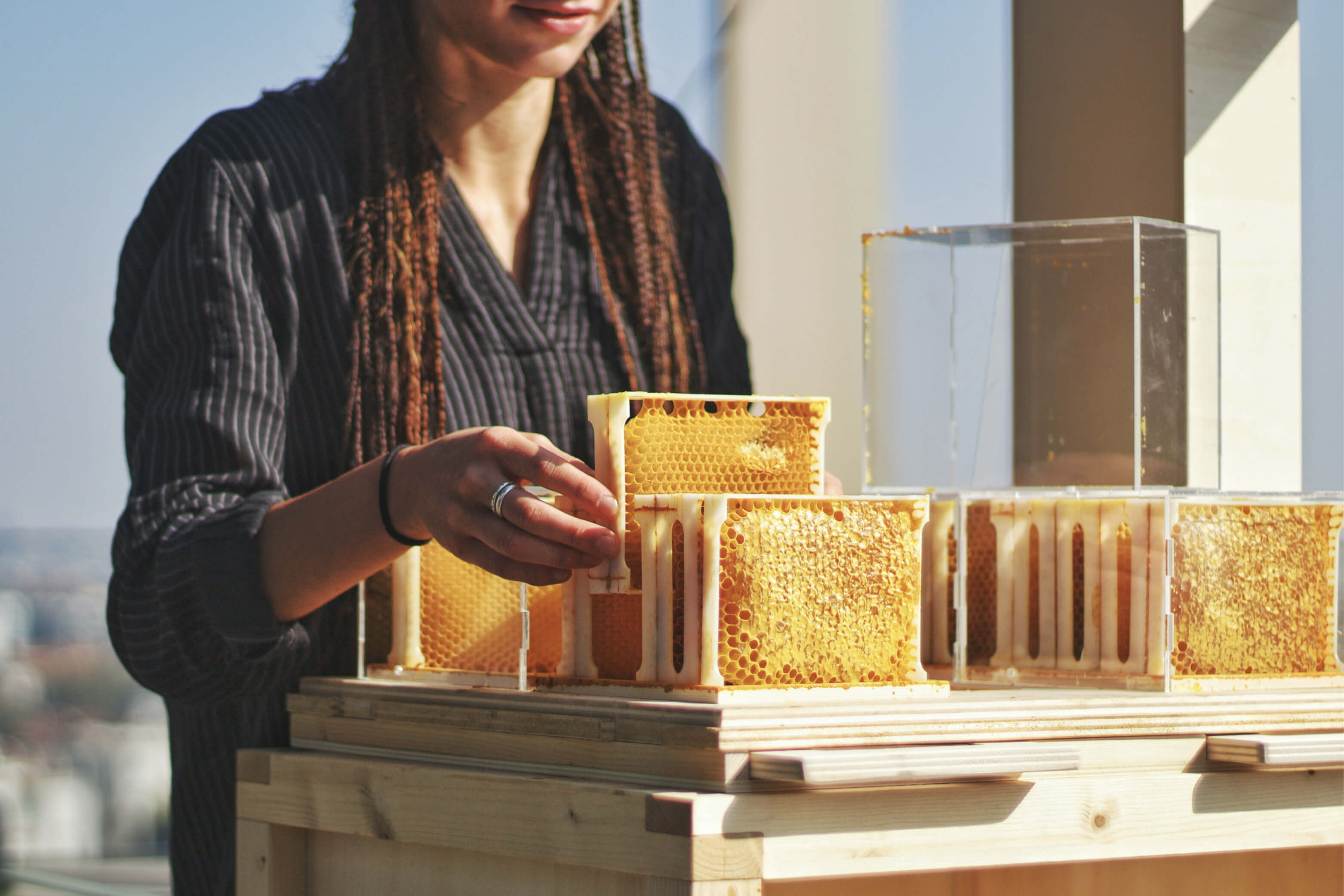
True raw honey, like the kind produced by Steens, only has the large hive wax removed. Because it completely avoids high-heat processing and heavy filtration, raw Manuka retains up to three times more bioavailable bee bread and pollen than mass-processed brands. This keeps the natural vitamins, minerals, and antioxidants completely intact so your body can easily absorb them.
Which Manuka Honey Grade Should You Choose?
When you are ready to buy, the very first question you should ask yourself is: "What am I planning to use this for?"
Step 1: Choose Your Potency Grade
-
For Daily Wellness and Culinary Use (UMF 5+ to 10+): If you just want a premium, clean, natural sweetener to drizzle over morning yogurt or stir into a warm cup of tea, these balanced grades are perfect for you.
-
For Targeted Wellness Support (UMF 15+ and Above): If you are looking to experience the unique, active properties that made Manuka honey world-famous, experts highly recommend stepping up to a 15+ grade or higher.
Step 2: Choose Your Brand Flavour Profile
Even if you are comparing two jars with the exact same UMF grade, different New Zealand brands will taste completely different based on their unique, specialised processing steps:
-
Manuka South: Deep, ultra-smooth, and intensely creamy with a bold, earthy flavour profile that complexly lingers on the palate for a long time.
-
M&H: Features a slightly more liquid, juicy consistency with a notably lighter, brighter aftertaste.
-
Steens: Unfiltered and beautifully raw. It delivers a highly distinctive, slightly grainy texture that sits incredibly close to the original honey straight from the hive, keeping all that natural bee pollen front and centre.
Beyond the Spoon: Surprising Traditional Uses for Manuka
While it tastes incredible, many people also keep a jar in the cupboard for traditional topical use. It is commonly used for soothing minor skin irritations or dry throats as part of natural wellness routines.
It is also popular among pet owners for minor topical applications. Many appreciate that it is natural and non-synthetic, offering peace of mind if pets happen to lick small amounts during use.
Looking for Alternatives? How to Leverage Propolis for Immune Support
If you want the robust benefits of the beehive but are looking for a different format, consider propolis.
Propolis capsules are packed with natural flavonoids, which mirror the protective properties found in Manuka honey. They give you a highly concentrated, non-sugar option that is fantastic for building up long-term daily wellness support over time.
On the flip side, if you wake up with a sudden, annoying scratchy feeling in your throat, targeted adjacent products like propolis throat sprays and propolis lozenges are perfect for providing immediate, localised comfort right when you need it most.
Experience and Verify It Yourself: The Aotea Gifts Promise
At Aotea Gifts, we have been proudly sharing the very best of New Zealand with the world since 1979. We partner directly with local honey brands as an Official Stockist.
That means whether you are browsing our online store from the comfort of your couch or stepping into one of our physical gift stores across New Zealand, you are guaranteed a 100 per cent genuine product sourced straight from the brand and shipped from our clean shores.
Because honey profiles are a deeply personal preference, there is no single "best" brand for everyone when it comes to taste. If you are travelling through New Zealand, come visit our team in-store! We keep open tester jars on hand so you can taste the differences between Manuka South, M&H, and Steens for yourself, speak with our associates, and find the exact flavour profile that fits your palate. If you are shopping from afar, explore our fully verified online store to have a taste of true New Zealand authenticity delivered straight to your front door.


A Sweet Experience with Chris: A Surprising Skill Bees Have
The History of Aotea Holdings: Sharing the Best of New Zealand with the World